Python lists come with a variety of built-in methods that make them flexible, powerful, and easy to handle. These methods help you add items, remove items, reorganize data, and inspect what you already have.
For beginners, focusing on a few key methods can create a strong foundation that helps them to tackle real-world challenges without becoming overwhelmed.
Let’s see some of them:
Adding and Extending Items
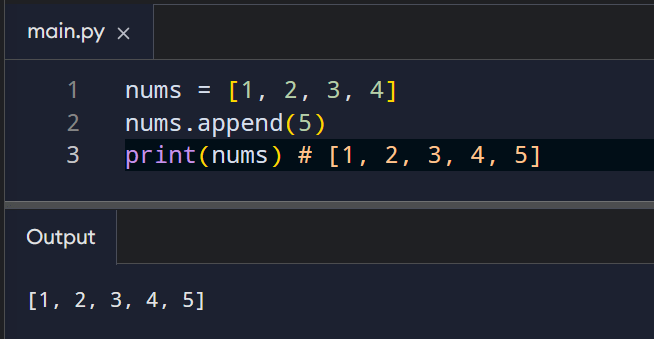
The append() method adds a single element to the end of a list. It is clean, and widely used.
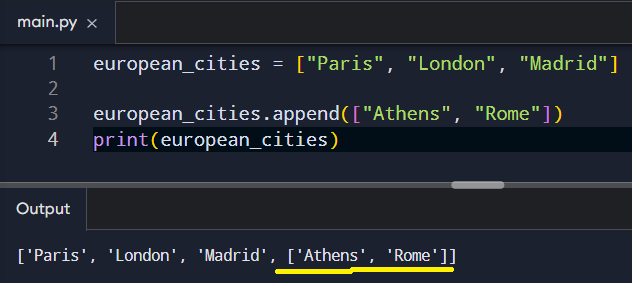
To add one list to another, you can utilize the append() method in this way:
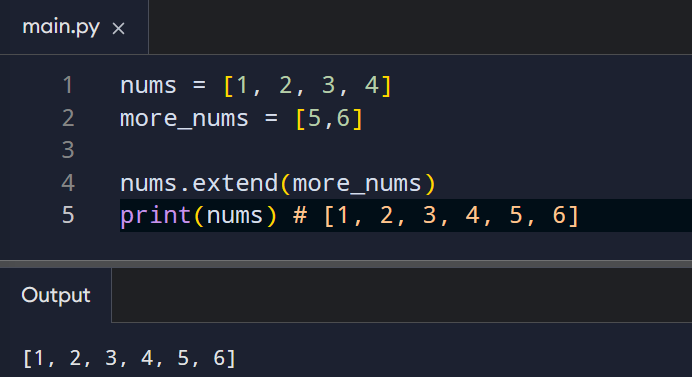
A similar method is extend(), which merges another iterable into your list.
Notice that the append() method is used to add a single item to the end of a list, whereas the extend() method allows you to add multiple items from an iterable to the end of the list.
Removing or Replacing Elements
As projects grow, items often need to be removed or adjusted. The remove() method deletes the first matching value.
The pop() method, on the other hand, removes an item by its index and returns it.
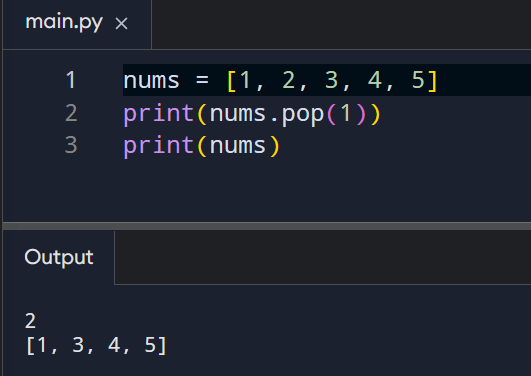
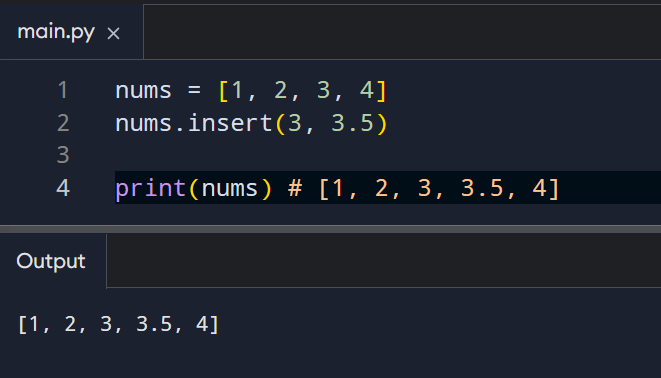
Note: Developers use pop() when they want to both delete and capture an element for later use.Then there’s insert(), which places a value at a specific index, shifting everything else to make room.
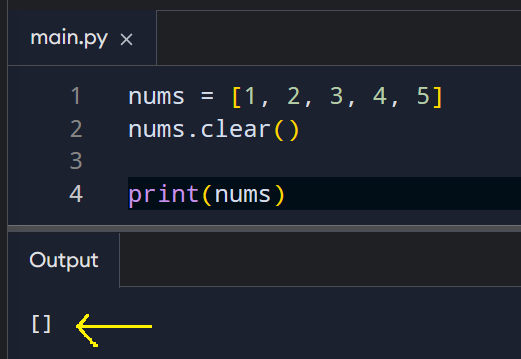
To empty the list, you can use the clear() method as follows:
Sorting, Reversing, and Inspecting
Once you have a list filled with valuable data, it’s important to shape it effectively.
With sort(), you can reorder values in place. It’s simple and efficient for numeric or alphabetical data.
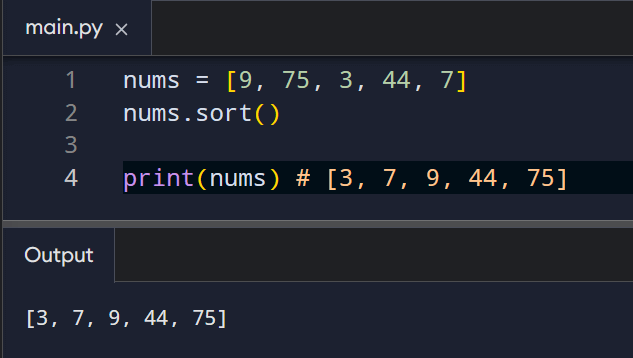
There is also the sorted() function which differs from the sort() method in that it produces a new sorted list, leaving the original list unchanged.

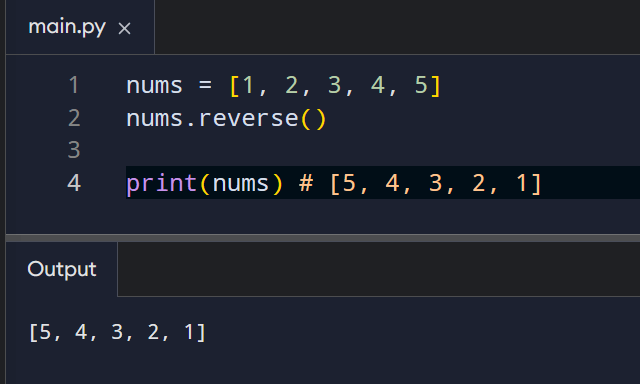
Meanwhile, reverse() simply flips the order, giving you a quick way to look at data from a different angle.
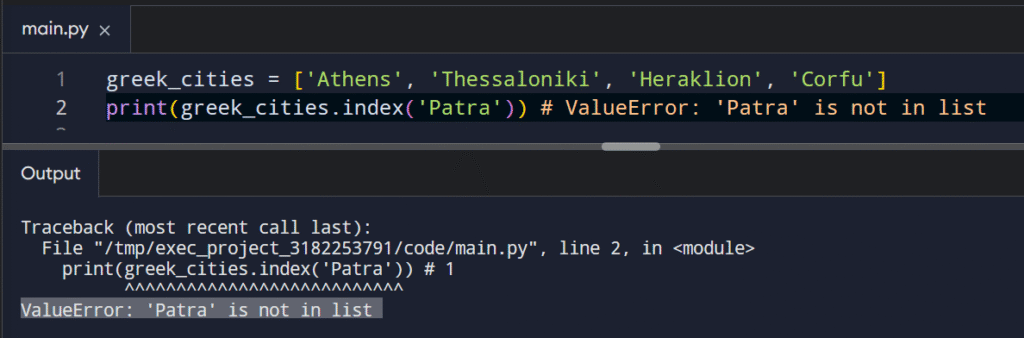
In order to inspect a list without modifying it, index() helps locate a specific item’s position.
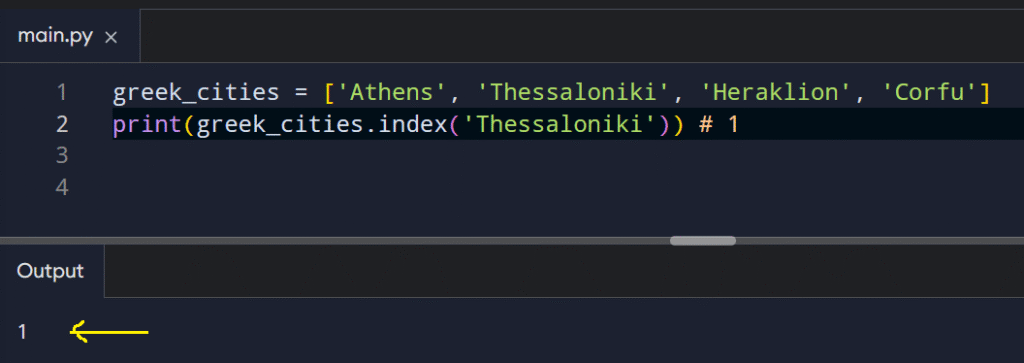
If the element is not found, Python will raise a ValueError.
Finally, count() counts how many times a value appears.
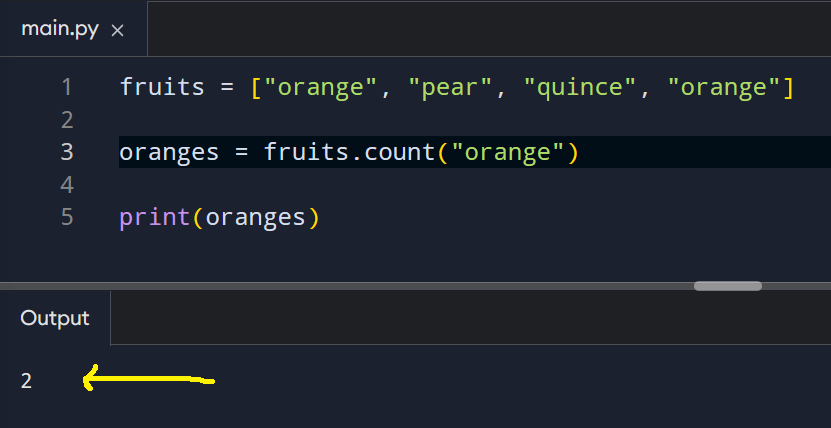
These last two methods give you quick insights that help clarify your code.
Concluding
With these methods, you can easily manipulate data.
As your programs grow more complex, these basic methods continue to serve as dependable tools that make your life easier and your programs more efficient.