An element’s behavior in HTML and CSS layout depends on its classification as either inline or block-level.
Grasping this distinction is necessary for controlling how your content is displayed on a webpage.
What’s a Block-Level Element?
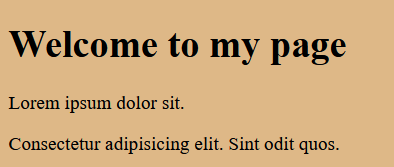
Block-level elements utilize the full width of their containers, even if don’t have to. They always start on a new line, pushing the next element down below it.
Common examples:
<div><p><h1>through<h6><section>,<article>,<form>
Think of them as the basic “building blocks” of your layout. They create pieces of content that stack vertically, one after another.

The result:
What are Inline Elements?
Inline elements, on the other hand, only take up as much width as they need. They sit perfectly next to each other, flowing with surrounding text, without forcing a new line.
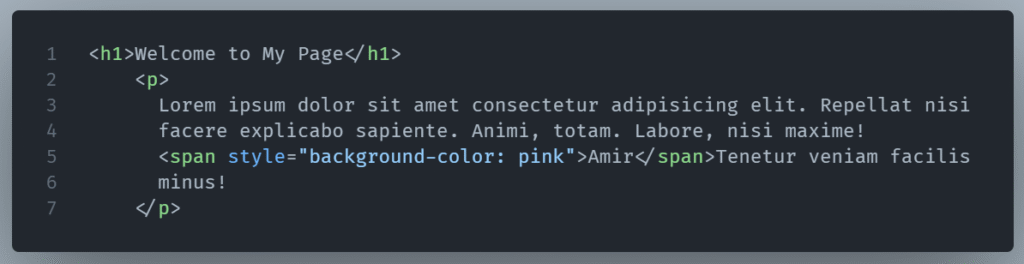
And the output:

Some inline examples:
<span><a><strong>,<em>,<img>
They’re great for formatting words within a sentence, but not for controlling page layout.
Why This Distinction Matters
Let’s get into the practical application of this. If you try to set a width or height on an inline element nothing happens. It just ignores you. That’s because inline elements aren’t designed for box-like behavior.
On the flip side, block-level elements won’t naturally sit next to each other. If you want two boxes side-by-side you have to employ CSS techniques such as float, flexbox, or display: inline-block.
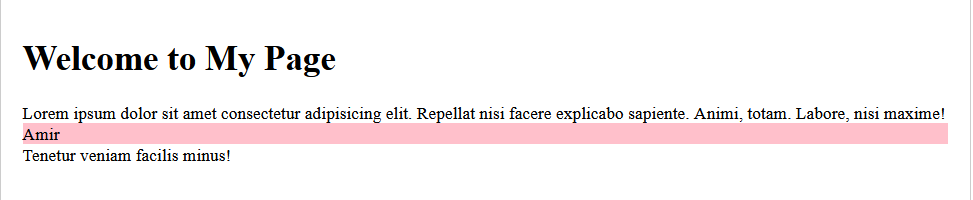
You can change an element’s display type using the display property:
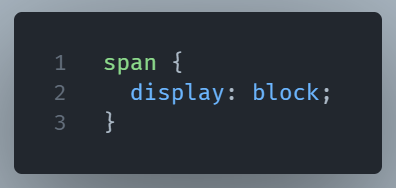
Now that inline behaves like a block.
Real-World Analogy
Imagine block elements like bricks that they stack. Inline elements are like words in a sentence. They don’t stack but they flow.
Wrapping Up
Figuring out the difference between inline and block-level elements significantly improves clarity in web development. It helps you control layout, style elements more predictably, and debug frustrating issues.
Next time you’re wondering why your margin isn’t working, or why your element refuses to sit side-by-side just check its display type. Often, that’s the root of the problem!