Every search starts with a word or a phrase. When someone types “best running shoes” into Google, those words are what we call keywords. They’re the bridge between what people are searching for and the content you create.
In SEO (Search Engine Optimization), keywords help search engines understand what your page is about. If you choose them wisely, you make it simpler for Google to match your content to the appropriate audience.
Different Keyword Types
A keyword informs both readers and search engines about the subject matter of a page.
There are two main types:
- Short-tail keywords — These are broad and general (e.g., “SEO tips”). Short-tail keywords have a high search volume but come with tough competition.
- Long-tail keywords — These are more specific (e.g., “SEO tips for small business websites”). They typically face lower competition and often yield higher conversion rates.
Keywords resemble signposts that point search engines toward the meaning and intent behind your content.
How to Use Keywords the Right Way
Using keywords well goes beyond just scattering them throughout your text. You must place them correcty bearing in mind the context.
Here’s how to do it naturally:
- Include your main keyword in key spots: the title, meta description, first paragraph, and at least one subheading.
- Use variations and related phrases to create depth. Search engines now focus on topics, not just exact matches.
- Write primarily for humans, with algorithms as a secondary consideration. If it reads smoothly, you’re doing it right. Overusing keywords can feel forced and may negatively impact your rankings.
Why Keywords Still Matter
While search engines continue to evolve, keywords remain at the heart of SEO. They link what users are looking for to the information you provide. Modern keyword use is about relevance, not repetition.
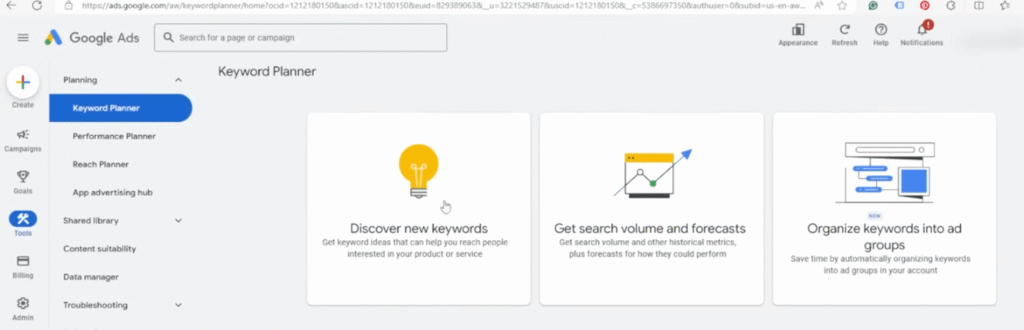
Tools like Google Keyword Planner, Ubersuggest, or Ahrefs can help you find terms people actually search for. When you combine that data with quality writing, your content can effectively meet user expectations and at the same time fulfil search engine’s criteria .
The Takeaway
Keywords tell Google what your content offers and tell users that they’ve found what they’re looking for.
Use them wisely, organize your pages in a clear manner, and make sure that your writing addresses the questions that people are asking.