Web hosting is a service that allows people and businesses to store their website files (HTML, CSS, images, databases, etc.) on a server that is accessible via the internet.
Users type the website URL in a browser.
This browser then is going to look up the IP address for the typed domain name using the Domain Name System (DNS).
Once the browser has found the IP address in the DNS, it sends an HTTP request to the server.
That server is going to send back a HTTP response, and then it’s our browser’s job to download and render the returned website files.
Different Hosting Types
There are different types of hosting. The right type depends on our website’s needs, budget, and expected traffic.
Whether we starting a blog, running a professional website, or hosting an online store, selecting the right web host is essential for the success of our website.
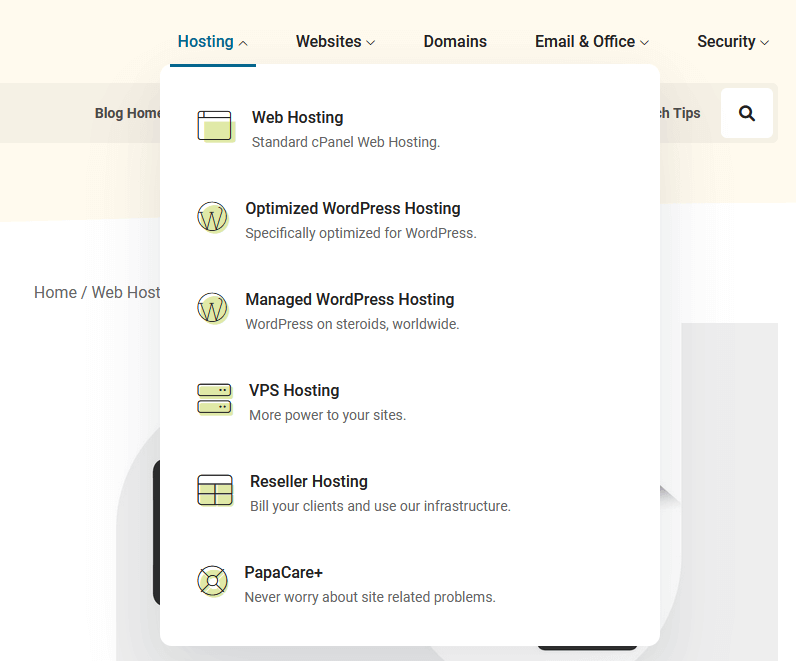
Shared hosting
This is by far the most popular type.
With this type of hosting, many users simultaneously access the same server’s memory, processing power, and storage.
Using a shared server is like living in a block of flats, without really knowing who your neighbors are.
And although your home is private property, the lifestyle of these neighbors can affect your quality of life.
In this shared environment, other websites traffic levels can affect your site’s speed.
This type of hosting is, however, much cheaper, and it is a really a good choice for website owners that don’t have the technical skills to be able to manage everything on their server.
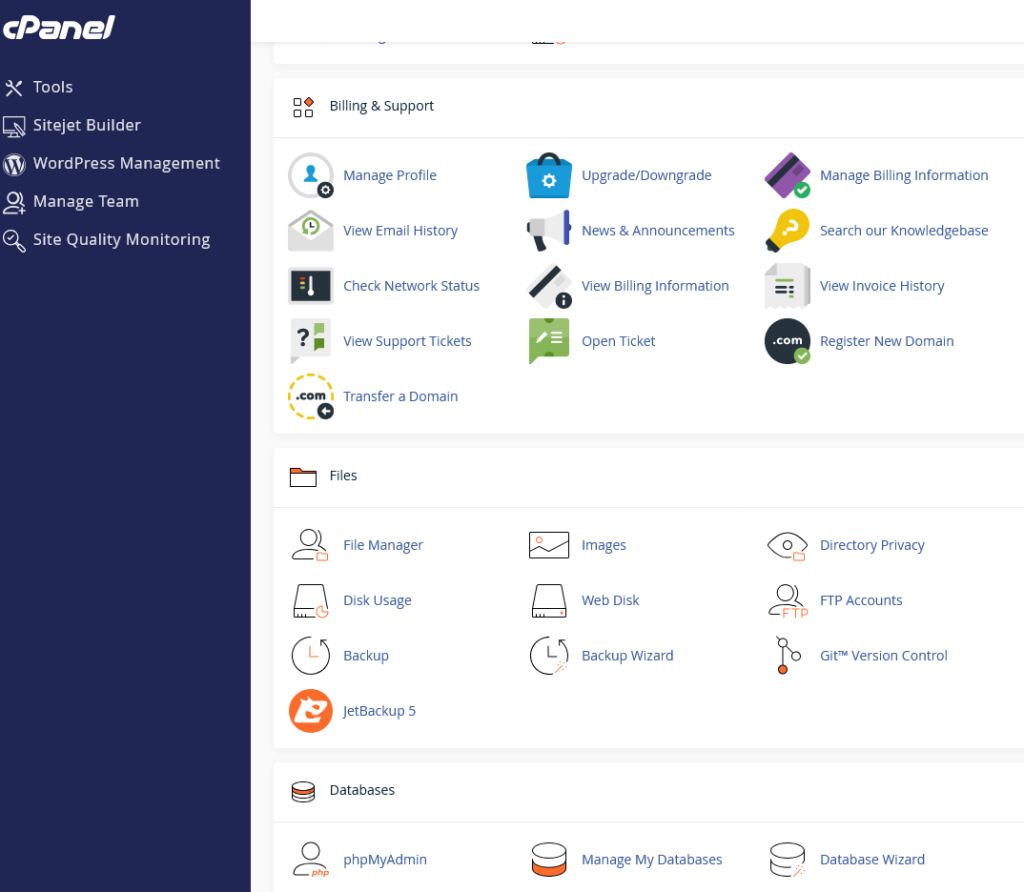
With shared hosting, we’ve been granted access to a cPanel, to be able to fulfill basic server tasks.
Dedicated hosting
Continuing on our last real life example, using a dedicated server is like owning your own detached house.
It is costly but you can do whatever you want with it.
This type of hosting is usually a lot more expensive, but you are able to bear larger amounts of traffic, more easily.
Within a dedicated server, we have complete control over the server’s configuration.
It is a great choice for those who have a technical background and can manage and configure a server on their own.
Virtual Private Server (VPS) Hosting
This web hosting type, like shared hosting, utilizes a shared physical server, with the difference being each user gets a separate virtual partition.
A server is divided into multiple virtual environments with a set amount of resources, that a user can customize completely, at a lower cost.
In essence, a VPS is like a small dedicated server.
This type of hosting is a middle ground between the Shared and Dedicated Hosting options we examined previously.
In this type of hosting, similarly to the Dedicated Hosting, other sites traffic won’t affect our site’s speed.
Cloud Hosting
Cloud hosting is a special kind of hosting that uses multiple interconnected servers (the cloud) to handle traffic spikes.
If one server experiences high traffic or a technical failure, the remaining ones will take over.
This hosting type is easily scalable and more reliable than traditional types.
It can be cost effective since it usually adopts the Pay-as-you-go pricing system.
We only pay for the resources we use.
This can easily become a disadvantage though, since the usage may be unpredictable.
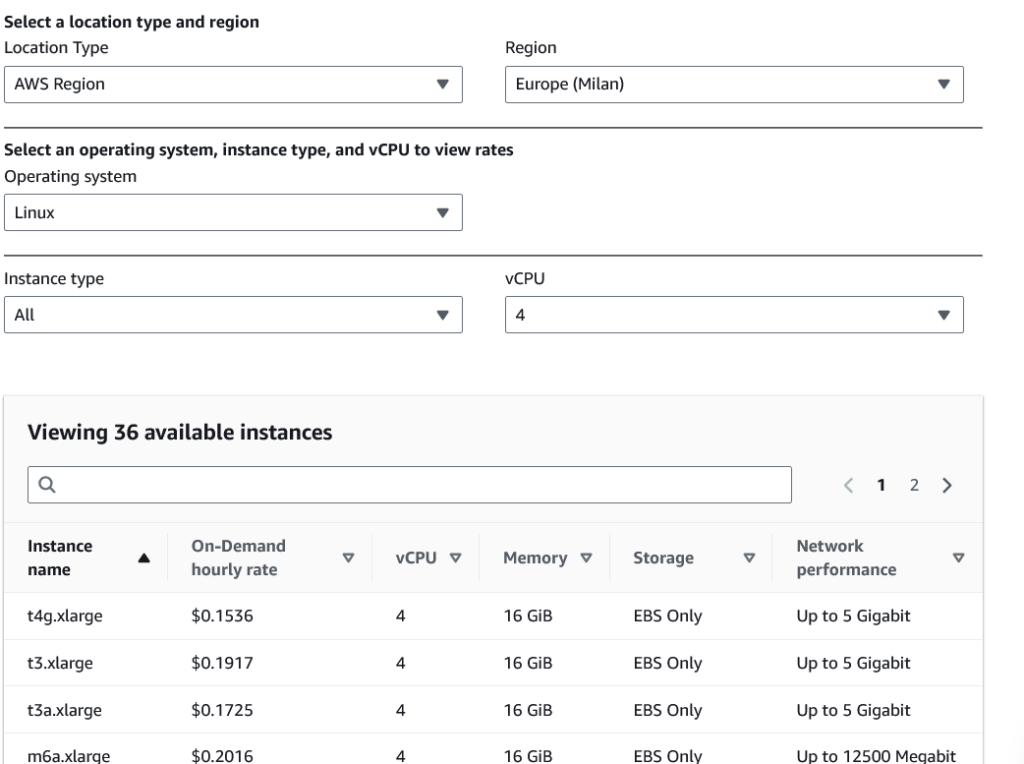
Cloud hosting is catered to modern web applications, start-ups, news sites, e-commerce businesses and generally websites that expect to have traffic spikes.
Well known Cloud Providers are Amazon Web Services (AWS), and Microsoft Azure.
Special categories of hosting
We introduced the basic types of hosting. We can further classify web hosting into sub categories.
Categories like WordPress hosting, Free Hosting, Hosting platforms, and Reseller Hosting etc. use one of these types of hosting while serving a specialized audience.
What should a good host provide?
– Uptime Guarantee: The standard is 99.9% uptime. The host must be able to ensure site availability.
– Fast Servers: Fast servers mean better speed and performance and a great user experience.
– Security: The host should offer advanced security features to safeguard your site against malware and DDoS attacks. Features like SSL, firewalls, and malware protection are a must .
– Customer Support: Always look for 24/7 support via chat, email, or phone.
– Scalability: We should have the option to upgrade resources as traffic grows.
– Multiple plans: The more plans a host provides, the better choices we can make. We should carefully compare plans based on storage, bandwidth, and support.