As you learn Python, you will realise that functions organize logic and make code easier to reuse. Sometimes, though, a full function feels like too much for a small task. This is where lambda functions become useful. A lambda function is a short function written in a single line, designed for quick and simple operations.
Understanding the Idea Behind Lambda Functions
A lambda function is an anonymous function. That means it does not have a name. Instead of using the usual def keyword, you use the word lambda. The function takes input and returns a result automatically.
Because lambda functions are limited to one expression, they stay short, focused and direct.
Basic Lambda Syntax
The structure of a lambda function looks like this:
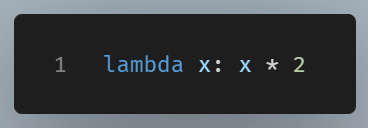
Here, x is the input, and x * 2 is the expression that gets evaluated and returned.
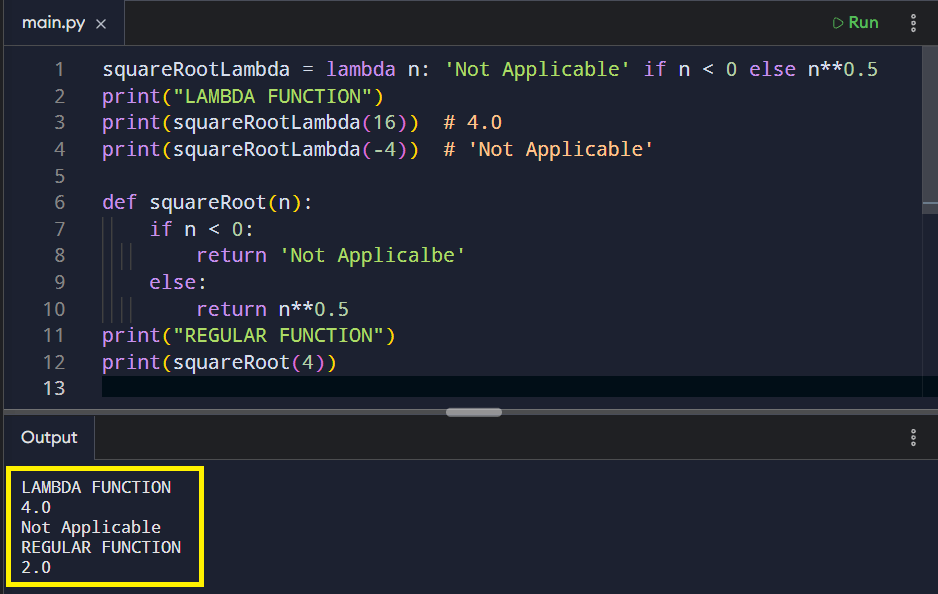
You can store a lambda function in a variable, but this is not considered good practice.
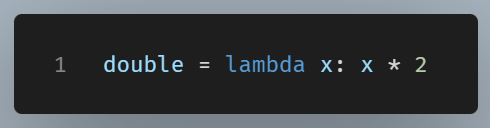
This undermines the whole idea of using anonymous functions.
Using Lambda With Built-In Functions
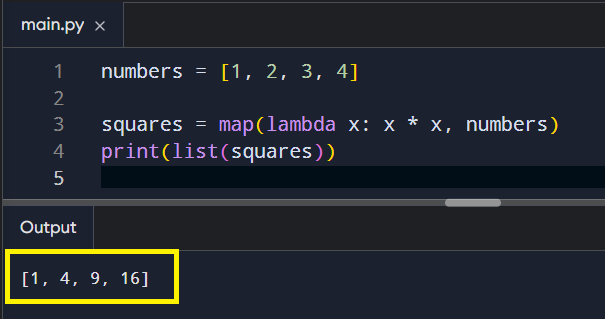
Lambda functions are often used with built-in functions like map() and filter(). These functions expect another function as input, which makes lambda a natural fit.
Example with map():
Or we can use them when filtering things:
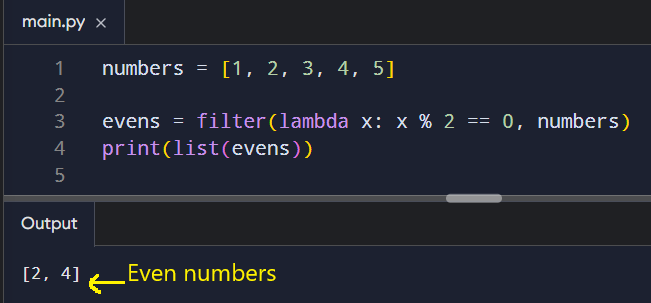
In both cases, the lambda function defines the rule while the built in function handles the looping.
When Lambda Functions Make Sense
Lambda functions work best for short tasks that are used once or twice. They reduce clutter and keep logic focused. When logic becomes complex, a normal function is the better choice.
Wrapping Up
Lambda functions are very useful. They allow you to express simple behavior quickly and clearly. They make code more readable, especially when used with built-in functions.
Once you understand where they fit, lambda functions become a natural part of writing clean code.