Imagine someone walks into a store, fills a basket, and then walks out without buying anything. That’s the offline equivalent of shopping cart abandonment. Shopping cart abandonment happens online. And it happens a lot.
In simple terms, it occurs when a user adds products to their online cart but leaves before completing the purchase. It’s one of the biggest hurdles for e-commerce businesses. A user was interested, or maybe even ready to buy, but something stopped them.
What Businesses Need to Know
Key Statistics on Cart Abandonment
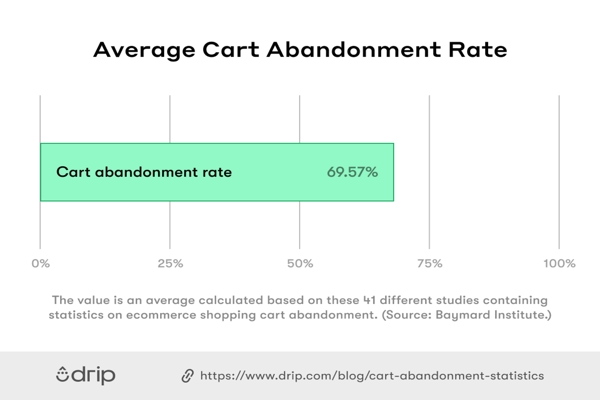
Around 69-70% is the predicted global average cart abandonment rate for 2025.
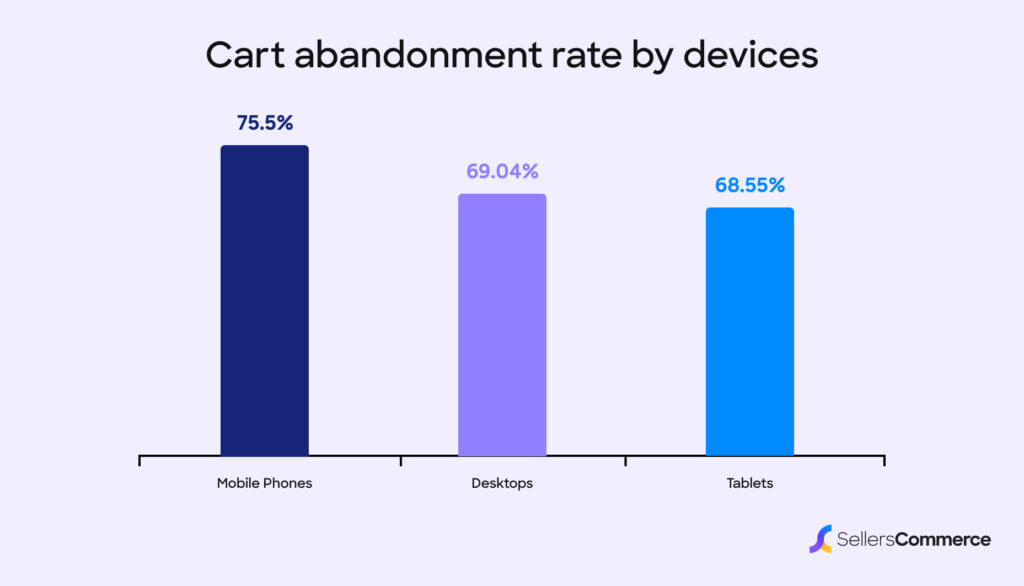
Mobile abandonment is even higher—75.5 %.
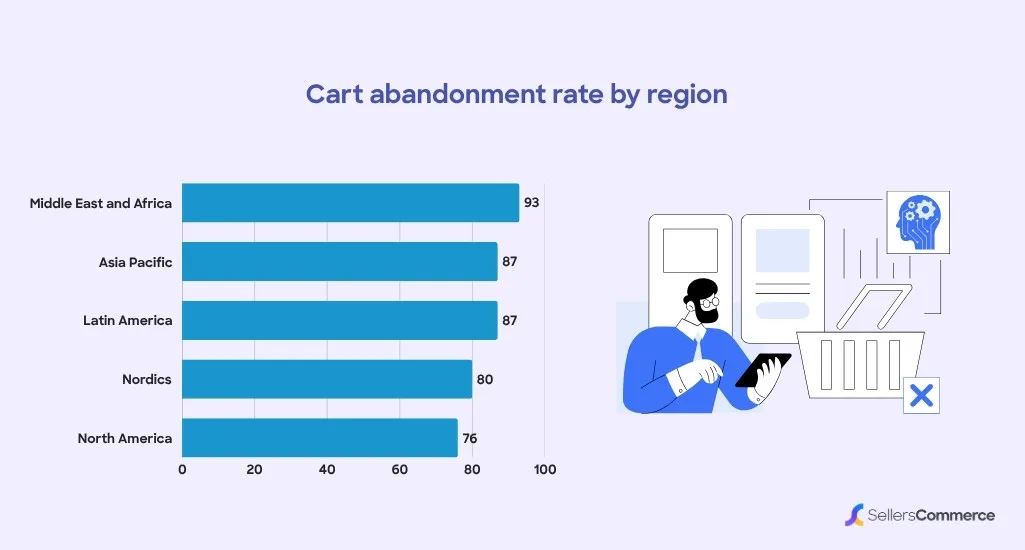
The Middle East & Africa see the most abandonment (~93 %), while Asia-Pacific and Latin America are at ~87 %, and North America is at ~76 %.
Financial Impact: Real Revenue at Risk
Each year, roughly $4 trillion in possible sales are lost worldwide because of abandoned carts.
Of that, businesses could realistically recover up to $260 billion by improving checkout processes—Baymard reports that optimizing can boost conversion by up to 35 %.
Why Does It Happen?
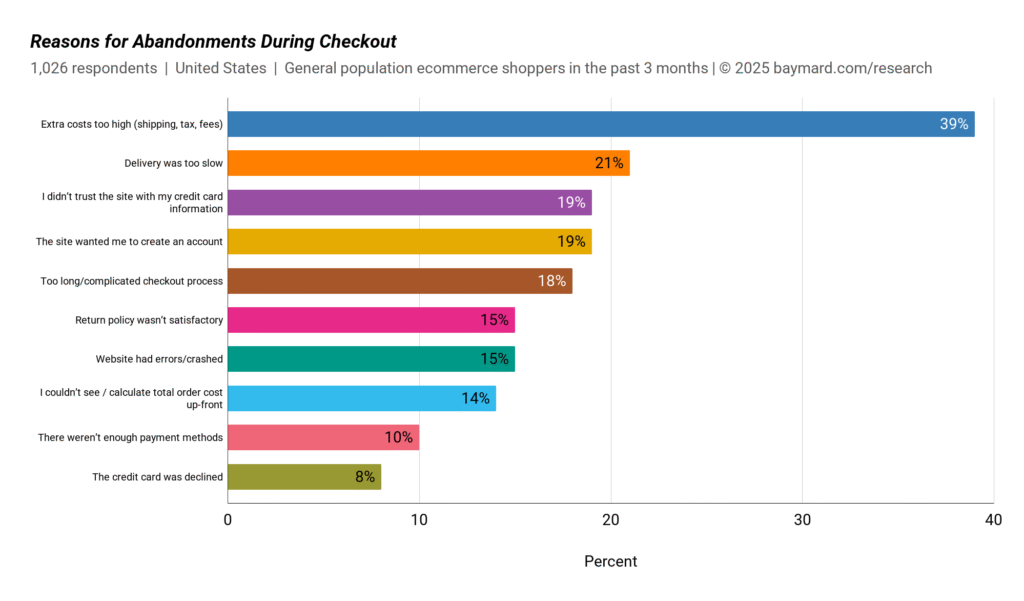
There’s no single reason. But common causes include:
- Unexpected shipping costs
- Forced account creation
- A slow or confusing checkout flow
- Lack of trust in the site or payment method
- Poor mobile experience
Sometimes, users are just browsing. Other times, they’re confused, distracted, or unsure.
Recovery Tools That Work
Abandoned cart emails perform strongly—around 39 % open rate, 23 % click-through, with typical conversion reaching 10–20 % of abandoned carts.
Ad retargeting is also helpful. It decrease abandonment by about 6.5% and increase sales by almost 20%.
Why Cart Abandonment Matters?
Leaving items in the cart means more than just a lost sale; it indicates a problem. Something in the process caused hesitation to the potential buyer.
Even small fixes can reduce abandonment:
- Show total costs earlier
- Offer guest checkout
- Keep the process fast and focused
Although follow-up emails (with or without discounts) can bring users back, prevention always beats recovery.