Python have built-in methods in order to keep programming simple.
These built-in methods act like ready-made helpers. They efficiently tackle difficult tasks. With the help of these methods there is no need to write everything from scratch. These functions come standard with Python, so every script benefits right away.
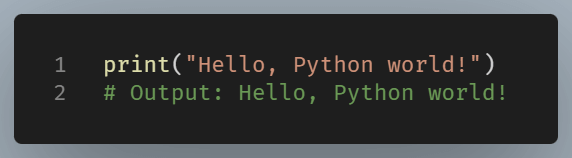
Consider the print() function that sends text to the screen.
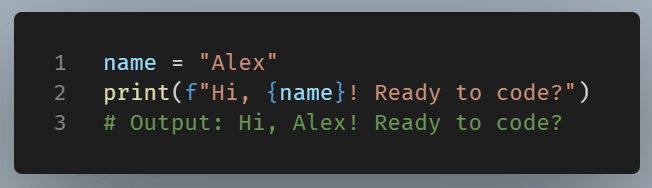
When you add variables, the complexity increases.
Built-ins Work in Any Space
Built-ins work in loops, conditions, and literally anything. As an example, len() measures the length of a string or list. Developers use it often when they want to quickly check the number of items in an object.
It is short and direct. You can also use it with strings:
There are built-ins catered specifically to numbers. For example, the float method converts an integer to a floating-point number.
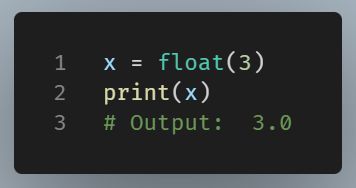
You can easily realise the pattern. These methods expect an input, be it a list, a string, a number, etc. Then they return a value based on that input. No programming required from your part. Python handles everything.
Let’s check another method. The type() method reveals an object’s type. Handy for quick debugging. It easily and quickly answers the question of what data type am I dealing with.
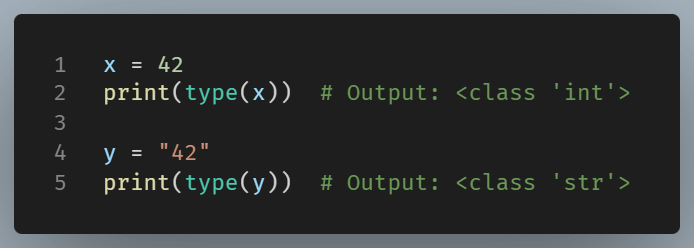
This tool is great for beginners because it helps you catch mistakes early on.
String Methods: Quick Fixes for Text
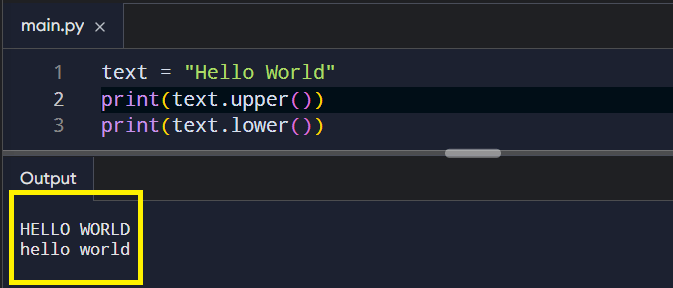
Strings have their own built-ins. upper() turns text to capitals and lower() does the opposite.
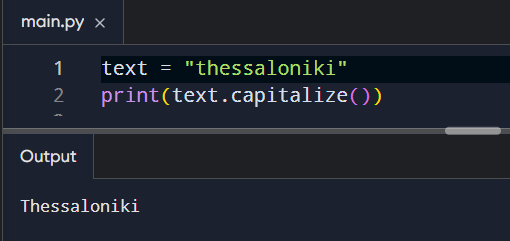
There is even a capitalize() method for converting the first character of a string to an uppercase letter and all other letters to lowercase.
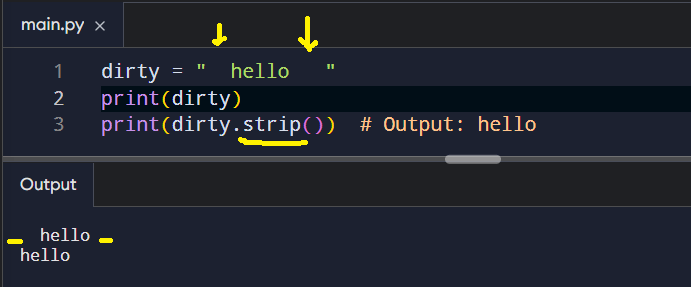
Sometimes the string we provide as input is messy. Unnecessary leading and trailing spaces can be delt with the use of the strip() method. This method removes extra spaces:
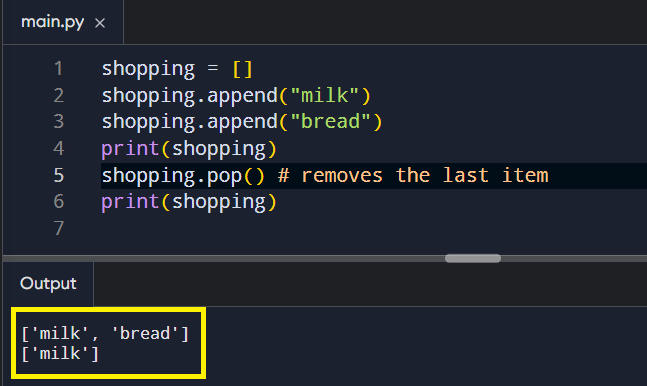
With methods like append(), which adds items, and pop(), which removes the last one, you can build collections easily.
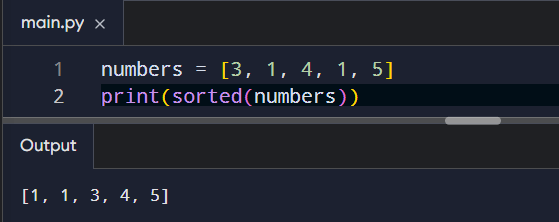
The sorted() method orders a list of an iterable object. This order can be ascending or descending, whatever you need. You can sort both numbers and strings.
Math: Built-in Helpers
You can also simplify math by using the dedicated built-in methods.
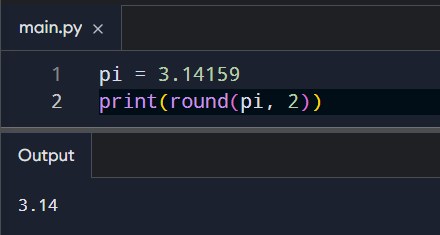
For example, you can use round() to trim decimals:
Or min() and max() to find extremes in a list of numbers. The former is used for finding the smaller number and the latter for the bigger one.
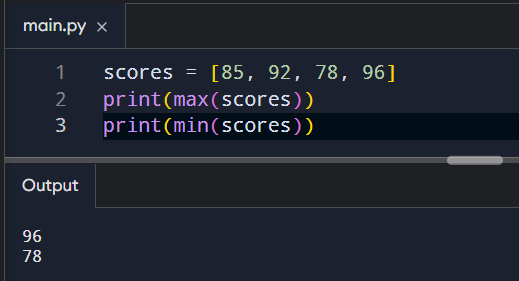
Math stays simple since you don’t need to import any libraries for simple math.
Wrapping up
Built-in methods in Python make coding simpler. They handle basic staff so you can focus on building more meaningful code. You don’t need to reinvent the wheel. Python internally handles a lot.
We’ve looked at some of the most popular built-in methods here, but there are many more in Python that can be really useful to learn.
Practice these methods by running examples in your terminal. Check documentation when you are stuck.
Use them and your project will flow smoother.